Showing posts with label Kakatiya. Show all posts

Aug 5, 2017

ವಾರಂಗಲ್ ಪ್ರವಾಸ

ಮಾರ್ಚ್ ೧೭, ೨೦೧೭
ಈ ದಿನ ಸಿದ್ದಿಯ ಹುಟ್ಟುಹಬ್ಬ. ಅದಕ್ಕಾಗಿ ಅವರಿಷ್ಟದಂತೆ ವಾರಂಗಲ್ ಕೋಟೆ ನೋಡಲು ಹೋಗಬೇಕೆಂದು ಮೊದಲೇ ಪ್ಲಾನ್ ಮಾಡಿ, ಆಫೀಸಿನಿಂದ ೧೬ ಮಾರ್ಚ್ಂದು ರಜೆ ಪಡೆದೆ. ಆ ದಿನ ಮನೇಲೆ ಇದ್ದು ಪ್ಯಾಕಿಂಗ್ ಎಲ್ಲ ಮಾಡಿಕೊಂಡು, ೧೭ ಬೆಳಿಗ್ಗೆ ೫ ಗಂಟೆ ಸುಮಾರಿಗೆ ನಮ್ಮ ಸವಾರಿ ವಾರಂಗಲ್ ಕಡೆ ಹೊರಟಿತು. ದಾರಿ ತುಂಬಾ ಸರಳವಾಗಿತ್ತು. ಒಂದು ಸಲ ಸಿಟಿ ದಾಟಿದರೆ ಮುಗಿತು ಒಂದೇ ದಾರಿ. ಹೈದೆರಾಬಾದಿನಿಂದ ವಾರಂಗಲ್ ಸುಮಾರು ೧೪೭ಕಿ ಮೀ. ಸುಮಾರು ೪ ಗಂಟೆಗಳ ಪ್ರಯಾಣ. ಸಿದ್ದಿ ಸ್ವಲ್ಪ ವೇಗವಾಗೇ ಕಾರ್ ನಡೆಸಿದರು. ದಾರಿಯಲ್ಲಿ ಭುವನಗಿರಿ ಬೆಟ್ಟವನ್ನು ಮತ್ತೊಮ್ಮೆ ಕಣ್ತುಂಬ ನೋಡಿ, ಕೆಲವು ಫೋಟೋಗಳನ್ನು ತೆಗೆದುಕೊಂಡು ಮತ್ತೆ ವಾರಂಗಲ್ ಕಡೆ ನಡೆದೆವು.

  ವಾರಂಗಲ್ ಕೋಟೆಯ ಹೆಬ್ಬಾಗಿಲು ತಲುಪಿದಾಗ ಸರಿಯಾಗಿ ೯ ಗಂಟೆ. ತೆಲಂಗಾಣದಲ್ಲಿರುವ ಅತಿ ದೊಡ್ಡ ಕೋಟೆಗಳಲ್ಲಿ ಈ ವಾರಂಗಲ್ ಕೋಟೆಯು ಕೂಡ ಒಂದು. ಕಾಕತೀಯರ ರಾಜಧಾನಿಯಾಗಿ ಮೆರೆದ ಈ ಊರು ಅಸಾಮಾನ್ಯವಾದ ಕಟ್ಟಡಗಳನ್ನು, ಕೆತ್ತನೆಗಳನ್ನು ಹಾಗೂ ಇತಿಹಾಸವನ್ನು ಹೊಂದಿದೆ. ಇಲ್ಲಿನ ಕೆತ್ತನೆಗಳಂತೂ ನೋಡುಗರ ಕಣ್ಣಿಗೆ ಹಬ್ಬವನ್ನುಂಟು ಮಾಡುವದರ ಜೊತೆಗೆ, ತೆರೆದ ಬಾಯಿ ಮುಚ್ಚಲು ಅವಕಾಶವನ್ನೇ ಕೊಡುವದಿಲ್ಲ. ಒಬ್ಬ ಪರಕೀಯ ಫೋಟೋಗ್ರಾಫರ್ ನಮ್ಮ ಭಾರತವನ್ನು ನೋಡಿ ಹೇಳಿರುವಂತೆ "ಭಾರತವನ್ನು ಕಪ್ಪು ಬಿಳುಪು ಚಿತ್ರಗಳಲ್ಲಿ ನೋಡುವದು ಅಸಾಧ್ಯ." ಈ ಮಾತು ನಮ್ಮ ಭಾರತದ ವೈವಿಧ್ಯತೆಯನ್ನು ನೋಡಿದ ಎಲ್ಲರಿಗೂ ನಿಜ ಎನಿಸುತ್ತದೆ.

ಈ ಚಿತ್ರ ಕೋಟೆಯ ಮೊದಲ ಹೆಬ್ಬಾಗಿಲು. ಕೋಟೆಯ ಒಳಹೋದಂತೆ ಬೇರೆ ಕೋಟೆಗಳ ತರಹ ರಕ್ಷಣೆಗಾಗಿ ಇಲ್ಲಿಯೂ ಕೂಡ ಅಂಕು-ಡೊಂಕು ಮಾರ್ಗ ಇದೆ.ಈ ಕೋಟೆಯು ಎರಡು ಸುತ್ತಿನದಾಗಿದ್ದು ಪ್ರತಿ ಸುತ್ತಿನಲ್ಲೂ ನಾಲ್ಕು ದಿಕ್ಕಿಗೂ ನಾಲ್ಕು ಹೆಬ್ಬಾಗಿಲನ್ನು ಕಾಣಬಹುದು. ಅಂದರೆ ಕೋಟೆಯು ಒಟ್ಟು ೮ ಹೆಬ್ಬಾಗಿಲಗಳನ್ನು ಹೊಂದಿದೆ. ಮೊದಲನೇ ಹೆಬ್ಬಾಗಿಲು ಸಾಧಾರಣವಾಗಿದ್ದು ಯಾವುದೇ ಕೆತ್ತನೆಯನ್ನು ಹೊಂದಿಲ್ಲ, ಒಳಗೆ ಹೋಗಿ ತಿರುವಿನ ನಂತರ ಎರಡನೇ ಹೆಬ್ಬಾಗಿಲನ್ನು ಕಾಣಬಹುದು, ಇದು ತುಂಬಾ ಸುಂದರವಾದ ಸಿಂಹ ಮತ್ತಿತರ ಸೂಕ್ಷ್ಮ ಕೆತ್ತನೆಗಳಿಂದ ಕೂಡಿದೆ. ಕಾಕತೀಯರ ಕೆತ್ತನೆಯಲ್ಲಿ ಸಿಂಹಗಳನ್ನು ಮತ್ತು ಆನೆಗಳನ್ನು ಬಹುವಾಗಿ ಕಾಣಬಹುದು.

ಹೆಬ್ಬಾಗಿಲುಗಳನ್ನು ದಾಟಿ ನಾವು ಕೋಟೆಯ ಮಧ್ಯದ ಭಾಗಕ್ಕೆ ಬಂದೆವು. ಅಲ್ಲಿ ನಾವು ನೋಡಿದ್ದು ಕಾಕತೀಯರ ಕಲ್ಲಿನ ಕೆತ್ತನೆಗಳ ತೆರೆದ ಸಂಗ್ರಹಾಲಯ. ಈ ಕೆತ್ತನೆಗಳನ್ನು ನೋಡಲು ನಿಮಿಷಗಳು ಸಾಲವು, ಗಂಟೆಗಳೇ ಕಳೆದವು. ತುಂಬಾ ವಿಶಾಲವಾದ ಜಾಗದಲ್ಲಿ ಕಾಕತೀಯರ ದೇವಾಲಯಗಳ ಅವಶೇಷಗಳಿದ್ದವು. ಅವುಗಳನ್ನು ನೋಡಿದರೆ ಇವರು ಶಿವನ ಆರಾಧಕರೆಂದು ತಿಳಿಯುತ್ತಿತ್ತು. ಕಲ್ಲಿನ ಮೇಲೆ ಕಮಲದ ಹೂವಿನ ಹಾಗೂ ತಾವರೆ ಹೂವಿನ ಕೆತ್ತನೆ, ಷಟ್ಕೋನದ ಕೆತ್ತನೆ, ಹಾಗೆ ಕಂಬಗಳ ಮೇಲೆ ಸಣ್ಣ ಆನೆಗಳ, ಸಿಂಹಗಳ, ಕುದುರೆಗಳ ಸಾಲುಗಳ ಕೆತ್ತನೆ, ಆಕರ್ಷಕ ಮೈಮಾಟವುಳ್ಳ ಶಿಲಾಬಾಲಿಕೆಯರ ಕೆತ್ತನೆ, ಬಸವಣ್ಣನ ಮೂರ್ತಿಯ ಮೇಲೆ ಗಂಟೆಗಳ, ಹೂಮಾಲೆಗಳ , ಸರಗಳ ಕೆತ್ತನೆಗಳಂತೂ ಅತ್ಯದ್ಭುತ. ಗುಡಿಯ ಕಳಸದ ತುದಿಯಿಂದ ಹಿಡಿದು, ಮೆಟ್ಟಿಲುಗಳವರೆಗೂ ಕೆತ್ತನೆಯ ಸುರಿಮಳೆ ನೋಡುಗರ ಮನಸಿಗೆ ಕಾಕತೀಯರ ಕಲಾ ಪ್ರಾವಿಣ್ಯತೆಯ ಅರಿವು ಮೂಡಿಸುತ್ತದೆ.

ಇಲ್ಲಿನ ಕಂಭಗಳ ಮೇಲಿನ ಸೂಕ್ಷ್ಮ ಕೆತ್ತನೆಗಳನ್ನು ನೋಡಿದರೆ ಈಗಿನ ಯಾವ ಟೆಕ್ನಾಲಜಿಯು ಆ ಕೆಲಸ ಮಾಡಲಾರದು ಎನಿಸುತ್ತದೆ.

ಇಲ್ಲಿ ನಮ್ಮ ಮನ ಸೆಳೆದಿದ್ದು ನಾಲ್ಕು ದೊಡ್ಡ ಹೆಬ್ಬಾಗಿಲುಗಳ ಚೌಕಟ್ಟುಗಳು. ಬಹುಶ ಅವು ದೇವಾಲಯದ ಚೌಕಟ್ಟುಗಳಿರಬೇಕು, ಸುಮಾರು ೩೦ ಅಡಿಗಳಷ್ಟು ಎತ್ತರವಿರುವ ಬಾಗಿಲುಗಳ ಮೇಲೆ ತೋರಣದ ಕೆತ್ತನೆ ಎಲ್ಲಿಲ್ಲದ ಆಕರ್ಷಣೆ ಮೂಡಿಸುತ್ತಿತ್ತು. ತೋರಣದ ಎರಡೂ ಕೋಣೆಗಳಲ್ಲಿ ನವಿಲುಗಳನ್ನು ಕೆತ್ತಲಾಗಿದೆ. ನಾನಂತೂ ತಲೆ ಎತ್ತಿ ನೋಡಲು ಶುರುಮಾಡಿ ಕತ್ತು ನೋವು ಬರೋವರೆಗೆ ತಲೆ ಇಳಿಸಲೇ ಇಲ್ಲ.

ನಯವಾದ ಕಲ್ಲಿನಲ್ಲಿ ಕೆತ್ತಿದ ಈ ಸಿಂಹಾಸನ, ನನ್ನಂತವರು ೪-೫ ಜನ ಒಟ್ಟಿಗೆ ಕುಳಿತುಕೊಳ್ಳಬಹುದು ಅಷ್ಟು ದೊಡ್ಡದಾಗಿದೆ. ಸಿಂಹಾಸನದ ಕೆಳಭಾಗದಲ್ಲೂ ಕೂಡ ಸೂಕ್ಷ್ಮ ಕೆತ್ತನೆಗಳನ್ನು ಕಾಣಬಹುದು.

ನಾಲ್ಕು ಕಂಬಗಳ ಈ ಮಂಟಪದ ಒಳಗಿರುವ ನಂದಿವಿಗ್ರಹವನ್ನು ನಾವಿಲ್ಲಿ ಕಾಣಬಹುದು. ಕೆತ್ತನೆಯ ಕುರಿತು ಮತ್ತೆ-ಮತ್ತೆ ಹೇಳುವ ಅವಶ್ಯಕತೆ ಇಲ್ಲ ಏಕೆಂದರೆ, ಈ ಚಿತ್ರ ನೋಡಿದರೆ ಸಾಕು ಶಿಲಾ ಕೆತ್ತನೆಯ ಪ್ರೌಢಿಮೆ ಕಾಣುತ್ತದೆ.

ಈ ತೆರೆದ ಸಂಗ್ರಹಾಲಯವನ್ನು ನೋಡಿ ನಾವು ಏಕಶೀಲಗುಟ್ಟದತ್ತ ನಡೆದೆವು. ಹೆಸರೇ ಸೂಚಿಸುವಂತೆ ಏಕಶೀಲಗುಟ್ಟ ಒಂದೇ ಕಲ್ಲು. ಅದರ ಮೇಲೆ ಒಂದು ಐತಿಹಾಸಿಕ ಪೂರ್ವ ದಿಕ್ಕಿಗೆ ಮುಖ ಮಾಡಿರುವ ಪಾಳುಬಿದ್ದ ದೇವಸ್ಥಾನ ಹಾಗೂ ಗಡಿಯಾರ ಗೋಪುರ. ಬಲಬದಿಗೆ ಕೆರೆಯ ಆಕರ್ಷಕ ನೋಟ. 

ಖುಷ್ ಮಹಲ್ ನ್ನು ವಾರಂಗಲ್ ನ ಕುತುಬ್ ಶಾಹಿ ಗವರ್ನರ್ ಆದ ಶೀತಾಬ್ ಖಾನ್ ಸುಮಾರು ೧೪ ನೇ ಶತಮಾನದಲ್ಲಿ ಮೊಹಮ್ಮದ್ ಬಿನ್ ತುಘಲಕ್ ವಾರಂಗಲ್ ನ್ನು ಆಕ್ರಮಿಸಿಕೊಂಡ ಸಮಯದಲ್ಲಿ , ಅಶ್ವದಳಕ್ಕೆ ಗೌರವಸೂಚಕವಾಗಿ ಹಾಗೂ ಸಾಂಸ್ಕೃತಿಕ ಶ್ರೀಮಂತಿಕೆಯನ್ನು ತೋರ್ಪಡಿಸಲು ನಿರ್ಮಿಸಿದನು. ಇದರ ತೀವ್ರವಾಗಿ ಇಳಿಜಾರು ಗೋಡೆಗಳು ತುಘಲಕ್ ವಾಸ್ತುಶೈಲಿಯ ವಿಶಿಷ್ಟ ಲಕ್ಷಣವಾಗಿದೆ. ಕಟ್ಟಡದ ಪೂರ್ವ ಮತ್ತು ಪಶ್ಚಿಮ ಗೋಡೆಗಳು ಯೋಜಿತ ಕುಂಬಿ ಮತ್ತು ಆರು ಎತ್ತರದ ಕಮಾನುಗಳನ್ನು ಕಿರಿದಾದ ಆಯತಗಳಿಂದ ರೂಪಿಸಲಾಗಿದೆ, ಇವು ಬೆಳಕು ಮಹಲೋಳಗೆ ಬರಲು ಅನುಕೂಲವಾಗಿವೆ. ಈ ಕಟ್ಟಡದ ಎದುರಿಗೆ ಕಾಕತೀಯರ ಕಾಲದ ಶಿಲಾ ಮೂರ್ತಿಗಳನ್ನು ಇಡಲಾಗಿದೆ. ನನಗೆ ಅಲ್ಲಿ ಹೋಗುವದರೊಳಗೆ ಸುಸ್ತಾಗಿತ್ತು. ಅದಕ್ಕೆ ಅಲ್ಲಿ ಹೊರಗೆ ಕಟ್ಟೆಯಮೇಲೆ ಕುಳಿತುಕೊಂಡೆ. ಸಿದ್ದಿ ಕಟ್ಟಡದ ಮೇಲೆ ಹೋಗಿ ಎಲ್ಲ ಫೋಟೋ ತೆಗೆದುಕೊಂಡು ಬಂದರು.

ನಂತರ ನಾವು ಹೋಗಿದ್ದು ಭದ್ರಕಾಳಿ ಗುಡಿಗೆ. ಗುಡಿಗೆ ಹೋಗಲು ಒಳ್ಳೆಯ ಡಾಂಬರ್ ರಸ್ತೆ ಇದ್ದು, ವಾಹನಗಳಿಗೆ ಪಾರ್ಕಿಂಗ್ ವ್ಯವಸ್ಥೆ ಕೂಡ ಇದೆ. ಕಾರ್ ಪಾರ್ಕ್ ಮಾಡಿ ನಾವು ಗುಡಿ ತಲುಪಿದಾಗ ಬಿಸಿಲು ಜಾಸ್ತಿ ಇದ್ದಿದುದರಿಂದ ಕಾಲು ತುಂಬಾ ಸುಡುತ್ತಿದ್ದವು. ನಾನು ಗುಡಿಯ ಒಳಗೆ ಓದಿಕೊಂಡೆ ಹೋದೆ. ದೇವಿ ದರ್ಶನ ಮಾಡಿ ಫೋಟೋ ತೆಗೆದುಕೊಂಡೆವು. ನಾನು ಅಲ್ಲೇ ಕೊಡುತಿದ್ದ ಪುಳಿಯೋಗರೆ ಪ್ರಸಾದ ತೆಗೆದುಕೊಂಡೆ. ಅದೇ ನಮ್ಮ ಅವತ್ತಿನ ಮಧ್ಯಾಹ್ನದ ಊಟ. 

ಭದ್ರಕಾಳಿ ಗುಡಿಯನ್ನು ಚಾಲುಕ್ಯ ರಾಜ ೨ ನೇ ಪುಲಕೇಶಿಯು ಕಟ್ಟಿಸಿದನೆಂದು ಅಲ್ಲಿರುವ ಶಾಸನದಲ್ಲಿ ಕೆತ್ತಲಾಗಿದೆ. ಭದ್ರಕಾಳಿ ವಿಗ್ರಹ ತುಂಬಾ ಸುಂದರವಾಗಿ ಕಲ್ಲಲ್ಲಿ ಕೆತ್ತಲಾಗಿದೆ. ದೊಡ್ಡ ಕಣ್ಣುಗಳು, ಎಂಟು ಕೈಗಳು ಮತ್ತು ಪ್ರತಿ ಕೈಯಲ್ಲೂ ವಿವಿಧ ಆಯುಧಗಳನ್ನು ನಾವು ನೋಡಬಹುದು.ಚಾಲುಕ್ಯರ ಆಡಳಿತ ಕೊನೆಗೊಂಡ ನಂತರ ಕಾಕತೀಯರು ಭದ್ರಕಾಳಿಯನ್ನು ತಮ್ಮ ಕುಲದೇವತೆಯನ್ನಾಗಿ ಸ್ವೀಕರಿಸಿ ಪೂಜೆ ಮಾಡಲು ಶುರುಮಾಡಿದರು. ಇವರ ಕಾಲದಲ್ಲಿ ಗುಡಿಯು ತುಂಬಾ ಸಿರಿತನ ಮತ್ತು ವೈಭವದಿಂದ ಮೆರೆಯಿತು. ಕಾಕತಿಯ ರಾಜ ಗಣಪತಿ ದೇವಾ ದೇವಸ್ಥಾನದ ಪಕ್ಕದಲ್ಲೇ ಒಂದು ಕೆರೆಯನ್ನು ನಿರ್ಮಿಸಿದನು. ನಂತರ ಡೆಲ್ಲಿ ಮುಸ್ಲಿಂ ರಾಜರ ಕೈಗೆ ಸಿಕ್ಕಿ ಗುಡಿ ಹಾಳಾಯಿತು ಅಲ್ಲದೆ ಇವರು ಗುಡಿಯನ್ನು ಪೂರ್ತಿ ಲೂಟಿ ಮಾಡಿದರೆಂದು ಶಾಸನದಲ್ಲಿ ಬರೆಯಲಾಗಿದೆ. ನಂತರ ೧೯೫೦ ಕರ್ನಾಟಕದ ಶ್ರೀ ಗಣಪತಿ ಶಾಸ್ತ್ರಿ ಎನ್ನುವವರು ಈ ದೇವಿಯ ಭಕ್ತರಾಗಿದ್ದರಿಂದ ದೇವಸ್ಥಾನದ ಜೀರ್ಣೋದ್ಧಾರ ಕ್ರಿಯೆ ಮಾಡಿದರು.

ದೇವಸ್ಥಾನ ನೋಡಿಕೊಂಡು ಕಾರ್ ಪಾರ್ಕಿಂಗ್ ಗೆ ಬಂದು ಕಾರ್ ಹೊರಗೆ ತರುತ್ತಿದ್ದಂತೆ ಅಲ್ಲಿಯ ಪಾರ್ಕಿಂಗ್ ಸೆಕ್ಯೂರಿಟಿ ಪಾರ್ಕಿಂಗ್ ಚಾರ್ಜ್ ಕೇಳಿದ. ಬಹುಶ ಸಿದ್ಧಿಯನ್ನು ನೋಡಿಯೇ ಇರಬೇಕು ಆತ ಡಾಲರ್ ಲೆಕ್ಕದಲ್ಲಿ ದುಡ್ಡು ಕೇಳಿದ. ಮತ್ತೆ ನಾವು ಇಲ್ಲಿಯವರೇ ಎಂದು ಹೇಳಿ ದುಡ್ಡು ಕೊಟ್ಟು ಬಂದೆವು.

ಸಾವಿರ ಕಂಬಗಳ ದೇವಸ್ಥಾನ(Thousand pillar temple) ತುಂಬಾ ಅಪರೂಪವಾದ ದೇವಸ್ಥಾನ. ಈ ದೇವಸ್ಥಾನವನ್ನು ರುದ್ರೇಶ್ವರ ಸ್ವಾಮಿ ದೇವಸ್ಥಾನ ಎಂದು ಕೂಡ ಕರೆಯುತ್ತಾರೆ. ಇದು ಹನುಮಕೊಂಡದಲ್ಲಿದೆ. ನಾವು ಭದ್ರಕಾಳಿ ದೇವಸ್ಥಾನ ನೋಡಿ ಸೀದಾ ಹನುಮಕೊಂಡಕ್ಕೆ ಬಂದೆವು. ಈ ದೇವಸ್ಥಾನವು ನಕ್ಷತ್ರಾಕಾರದಲ್ಲಿದ್ದು ಸಾವಿರ ಕಂಬಗಳಿಂದ ಮಾಡಲ್ಪಟ್ಟಿದೆ. ಇದರ ಇನ್ನೊಂದು ವೈಶಿಷ್ಟ್ಯ ಎಂದರೆ ಯಾವ ಕಡೆಯಿಂದ ಕೂಡ ದೇವರನ್ನು ನೋಡಲು ಯಾವ ಕಂಬವು ಅಡ್ಡಿಯಾಗುವದಿಲ್ಲ. ಈ ದೇವಸ್ಥಾನವನ್ನು ವಿಶಾಲವಾದ ಸಮತಟ್ಟಾದ ಜಾಗವನ್ನು ಸುಮಾರು ೧ ಮೀಟರಿನಷ್ಟು ಎತ್ತರ ಮಾಡಿ ಅಲ್ಲಿ ನಿರ್ಮಿಸಲಾಗಿದೆ. ದೇವಸ್ಥಾನದ ಎದುರಿಗೆ ಕಪ್ಪು ಕಲ್ಲಿನಲ್ಲಿ ಕೆತ್ತಿದ ಸುಂದರವಾದ ಆನೆ ಮತ್ತು ನಂದಿ ವಿಗ್ರಹಗಳನ್ನು ಕೂಡ ನಾವು ನೋಡಬಹುದು.

ಈ ದೇವಸ್ಥಾನವನ್ನು ಕಾಕತೀಯರ ರಾಜನಾದ ರುದ್ರದೇವನ ಆಡಳಿತಾವಧಿಯಲ್ಲಿ ನಿರ್ಮಿಸಲಾಗಿದೆಯೆಂದು ಹೇಳುತ್ತಾರೆ. ಇದನ್ನು ಕೂಡ ತುಘಲಕ್ ರಾಜ ಹಾಳು ಮಾಡಿದ್ದು ಇತಿಹಾಸದಲ್ಲಿ ಬರೆಯಲಾಗಿದೆ. ೨೦೦೪ರಲ್ಲಿ ಭಾರತ ಸರ್ಕಾರ ಈ ದೇವಾಲಯದ ಜೀರ್ಣೋದ್ಧಾರ ಮಾಡಿದೆ.

ವಾರಂಗಲ್ನಲ್ಲಿ ಇಷ್ಟು ನೋಡಿದ ಮೇಲೆ ನಾವು ರಾಮಪ್ಪ ದೇವಾಸ್ಥನ ಅಥವಾ ರಾಮಲಿಂಗೇಶ್ವರ ದೇವಸ್ಥಾನ ನೋಡಲು ಹೋಗಬೇಕೆಂದು ನಿರ್ಧರಿಸಿದೆವು. ಇದು ವಾರಂಗಲ್ ನಿಂದ ಸುಮಾರು ೭೭ ಕಿ ಮೀ ದೂರದಲ್ಲಿರುವ ಪಾಲಂಪೆಟ್ ಎಂಬ ಊರಿನಲ್ಲಿದೆ. ಈ ಪೂರ್ತಿ ಪ್ರವಾಸದಲ್ಲಿ ನನ್ನ ಮನಸ್ಸನ್ನು ಅತ್ಯಂತ ಆಕರ್ಷಿಸಿದ್ದು ರಾಮಪ್ಪ ದೇವಸ್ಥಾನ. ಈ ದೇವಸ್ಥಾನದ ಮೆಟ್ಟಿಲಿಂದ ಹಿಡಿದು ಕಳಸದವರೆಗೂ ಅದ್ಭುತ ರಚನೆ. ಕಂಬಗಳಂತೂ ಸೂಕ್ಷ್ಮ ಚಿತ್ರಗಳಿಂದ ಅಲಂಕೃತಗೊಂಡು ಮೆರವಣಿಗೆಯಲ್ಲಿ ಬಂಗಾರದಿಂದ ಅಲಂಕರಿಸಿದ ಕುದುರೆ ಆನೆಗಳಂತೆ ಕಾಣುತ್ತವೆ. ಇಲ್ಲಿನ ಶಿಲಾಬಾಲಿಕೆಯರ ಮೂರ್ತಿಗಳು ಅಬ್ಬಾ ಹೋಗಲಾಸಾಧ್ಯ. ಯಾವ ಉಪಮಾನವು ಸರಿದೂಗುವದಿಲ್ಲ ಈ ಶಿಲಾ ಸುಂದರಿಯರನ್ನು ಹೊಗಳಲು...! 

   ಇಲ್ಲಿ ನಾವು ನೋಡಿದ್ದು ೩ ಪ್ರಮುಖ ಕಟ್ಟಡಗಳನ್ನು. ಒಂದು ಮುಖ್ಯ ಶಿವಾಲಯ. ಮತ್ತೊಂದು ಅದರ ಮುಂದೆ ಇರುವ ದೊಡ್ಡ ನಂದಿ ವಿಗ್ರಹ. ಮೂರನೆಯದು ಪಕ್ಕದಲ್ಲೇ ಇರುವ ಮತ್ತೊಂದು ದೇವಸ್ಥಾನ. ಇತಿಹಾಸದ ದಾಖಲೆಗಳ ಪ್ರಕಾರ ಈ ದೇವಸ್ಥಾನವನ್ನು ಸುಮಾರು ಕ್ರಿ.ಶ.೧೨೧೩ ರಲ್ಲಿ ಕಾಕತೀಯರ ರಾಜ ಗಣಪತಿದೇವನ ಕಾಲದಲ್ಲಿ ನಿರ್ಮಿಸಲಾಯಿತೆಂದು, ಇದನ್ನು ನಿರ್ಮಿಸಲು ರಾಮಪ್ಪ ಎಂಬ ಶಿಲ್ಪಿಯು ಸುಮಾರು ೪೦ ವರ್ಷಗಳನ್ನು ತೆಗೆದುಕೊಂಡನೆಂದು ಹೇಳಲಾಗಿದೆ. ಈ ದೇವಸ್ಥಾನ ನಿರ್ಮಿಸಲು ಉಪಯೋಗಿಸಿದ ಇಟ್ಟಿಗೆಗಳು ಎಷ್ಟೊಂದು ಹಗುರವಾಗಿದ್ದವೆಂದರೆ ಅವು ನೀರಲ್ಲಿ ತೇಲುತ್ತವೆ ಎಂದು ಹೇಳಲಾಗಿದೆ. ಪ್ರತಿಯೊಂದು ಕೆತ್ತನೆಯು ಇಂಚಿಂಚು ಅಳತೆಮಾಡಿ ಸೂಕ್ಷ್ಮ ಕಲಾಕೃತಿಗಳನ್ನ ನಿರ್ಮಿಸಿರುವದಕ್ಕೆ ಸಾಕ್ಷಿಯಾಗಿವೆ. ಈ ದೇವಾಲಯವು ಕೂಡ ನಕ್ಷತ್ರಾಕಾರದಲ್ಲಿದೆ. ದೇವಾಲಯದ ಮುಂದೆ ಇರುವ ನಂದಿ ವಿಗ್ರಹ ಮತ್ತು ಅದರ ಮೈ ಮೇಲೆ ಇರುವ ಆಭರಣಗಳ ಕೆತ್ತನೆಯಂತೂ ನಿಜವಾದ ಆಭರಣಗಳ ಮಾಟವನ್ನೂ ಕೂಡ ನಾಚಿಸುವಂತಿದೆ. ಅದೆಷ್ಟೋ ಯುದ್ಧಗಳಾದರೂ, ಪ್ರಾಕೃತಿಕ ವಿಕೋಪಗಳಾದರೂ ದೇವಾಲಯವು ಸಂಪೂರ್ಣ ನಾಶ ಹೊಂದದೆ ಹಾಗೆ ನಿಂತಿದೆ. ೧೭ ನೇ ಶತಮಾನದಲ್ಲಾದ ಭಯಂಕರ ಭೂಕಂಪಕ್ಕೆ ಸ್ವಲ್ಪ ಭಾಗ ಹಾಳಾಗಿದೆಯಷ್ಟೆ. ಪೂರ್ತಿ ದೇವಾಲಯ ತಿರುಗಾಡಿ ಫೋಟೋ ತೆಗೆದುಕೊಂಡು ಒಂದು ಕಡೆ ಕೂತೆ. ಸಿದ್ದಿ ವಿಡಿಯೋ ಮಾಡುವದರಲ್ಲಿ ನಿರತರಾದರು.

ರಾಮಪ್ಪ ದೇವಾಲಯ ನೋಡಿಕೊಂಡು ಮತ್ತೆ ಹನುಮಕೊಂಡಕ್ಕೆ ಮರಳಿ ಬಂದು ಅಲ್ಲೇ ಒಂದು ಹೋಟೆಲ್ನಲ್ಲಿ ತಂಗಿದೆವು. ರಾತ್ರಿ ಸುಸ್ತಾಗಿದ್ದರಿಂದ ಊಟ ಮಾಡಿ ಮಲಗಿದೆವು. ಮಾರನೇ ದಿನ ನಾವು ನೋಡಬೇಕೆಂದುಕೊಂಡಿದ್ದು ಕೋಲಾನುಪಕದ ಜೈನ ಬಸ್ತಿ ಹಾಗೂ ಪೇಂಬರ್ತಿಯಲ್ಲಿ ದೊರೆಯುವ ಹಿತ್ತಾಳೆ ಹಸ್ತಕೃತಿಗಳು. ಬೆಳಿಗ್ಗೆ ಸುಮಾರು ೭.೩೦ಕ್ಕೆ ಎದ್ದು ಸ್ನಾನ ಮಾಡಿ ಟೀ ಕುಡಿದು ಕೋಲನುಪಾಕಕ್ಕೆ ಹೊರಟೆವು. ದಾರಿಯಲ್ಲಿಯೇ ಕಾರು ನಿಲ್ಲಿಸಿ ಬಂಡಿಯಲ್ಲಿ ತಿಂಡಿ ತಿಂದು ಮತ್ತೆ ಗಾಡಿ ಮುಂದೆ ನಡೆಸಿದೆವು. ವಾರಂಗಲ್ನಿಂದ ಕೋಲನುಪಾಕವು ಸುಮಾರು ೮೦ ಕಿ ಮೀ ದೂರ ಇರಬಹುದು. ಬೇಗ ಬಿಟ್ಟಿದ್ದರಿಂದ ಮಧ್ಯಾಹ್ನ ೧೨ ಗಂಟೆಗಿಂತ ಮೊದಲೇ ಬಂದೆವು. ಜೈನ ಬಸದಿಯಲ್ಲಿ ಏನೋ ಕಾರ್ಯಕ್ರಮ ನಡೆಯುತ್ತಿತ್ತು. ಬಸ್ತಿ ಪೂರ್ತಿ ಸುತ್ತು ಹೊಡೆದು ಫೋಟೋ ತೆಗೆದುಕೊಳ್ಳಲು ಶುರು ಮಾಡಿದೆವು.

   ಈ ಬಸ್ತಿಯು ಸುಮಾರು ೨೦೦೦ ವರ್ಷಗಳಷ್ಟು ಹಳೆಯದೆಂದು ಹೇಳಲಾಗುತ್ತದೆ. ಇಲ್ಲಿಯೂ ಸಹ ನಾವು ಜೈನ ಕೆತ್ತನೆಗಳನ್ನು ನೋಡಬಹುದು. ಕೆಂಪು ಉಸುಕಿನ ಕಲ್ಲು ಮತ್ತು ಬಿಳಿ ಕಲ್ಲಿನಲ್ಲಿ ಕೆತ್ತಲಾದ ಈ ಜೈನ ದೇವಾಲಯ ಸುಂದರ ಹಾಗೂ ಪ್ರಶಾಂತವಾಗಿದೆ. ಪ್ರವೇಶ ದ್ವಾರದ ಬಳಿ, ಅಂಬಾರಿಗಳನ್ನು ಹೊತ್ತ ಎರಡು ಆನೆಗಳ ವಿಗ್ರಹಗಳನ್ನು ನೋಡಬಹುದು. ಇಲ್ಲಿ ಸುಮಾರು ೨೦ ಜೈನ ಶಾಸನಗಳು ದೊರೆತಿವೆ. ಈ ದೇವಾಲಯದ ಸುತ್ತಲೂ ಉದ್ಯಾನವನವಿದೆ. ನಾವು ಹೋದ ದಿನ ಏನೋ ಸಮಾರಂಭವಿದ್ದ ನಿಮಿತ್ತ ಪ್ರವೇಶ ದ್ವಾರದ ಬಳಿ ಕೆಲವು ಮೂರ್ತಿಗಳನ್ನು ಅಲಂಕಾರಕ್ಕಾಗಿ ಇಡಲಾಗಿತ್ತು. ಹಳ್ಳಿಯ ಮಹಿಳೆಯ ಮೂರ್ತಿ, ಮಗುವನ್ನು ಎತ್ತಿಕೊಂಡ ಹೆಣ್ಣು ಮಗಳ ಮೂರ್ತಿ ತುಂಬಾ ಆಕರ್ಷಕವಾದ ಉಡುಪುಗಳನ್ನು ಹಾಕಿದ್ದರು.

ಆ ದೇವಸ್ಥಾನದ ಬಳಿ ಪರಿಚಯರಾದ ಒಬ್ಬ ವ್ಯಕ್ತಿ ಅಲ್ಲಿಯೇ ಮಧ್ಯಾಹ್ನದ ಊಟ ಮುಗಿಸಿ ಹೋಗುವಂತೆ ಹೇಳಿದರು. ನಾವು ಫೋಟೋ ತೆಗೆಯುವದು ಮುಗಿದ ನಂತರ ಅಲ್ಲಿಯೇ ಊಟ ಮುಗಿಸಿ ಪೇಂಬರ್ತಿ ಕಡೆಗೆ ನಡೆದೆವು.

ಪೇಂಬರ್ತಿಯಲ್ಲಿ ನೋಡುವಂಥ ಐತಿಹಾಸಿಕ ಸ್ಥಳ ಯಾವದು ಇರಲಿಲ್ಲ. ಆದರೆ ಅಲ್ಲಿ ದೊರೆಯುವ ಹಿತ್ತಾಳೆ ಹಸ್ತಕೃತಿಗಳನ್ನು ನೋಡಿಕೊಂಡು ಹೋಗುವದು ನಮ್ಮ ಉದ್ದೇಶವಾಗಿತ್ತು. ಪೇಂಬರ್ತಿ ಆ ಕಾರಣಕ್ಕಾಗಿಯೇ ಪ್ರಸಿದ್ಧಿ ಪಡೆದಿತ್ತು. ವಾರಂಗಲ್ನಿಂದ ಹೈದರಾಬಾದಿಗೆ ಬರುವ ದಾರಿಯಲ್ಲೇ ಇರುವದರಿಂದ ನಾವು ಇಲ್ಲಿ ಭೇಟಿ ನೀಡಬೇಕೆಂದು ನಿರ್ಧರಿಸಿದೆವು. ಪೇಂಬರ್ತಿ ತಲುಪುವ ಹೊತ್ತಿಗೆ ಸುಮಾರು ೪ ರ ವೇಳೆ ಆಗಿರಬೇಕು. ಅಲ್ಲಿ ಬಂದು ಒಂದೆರಡು ಅಂಗಡಿಗಳಲ್ಲಿ ಈ ಹಿತ್ತಾಳೆಯ ಹಸ್ತಕೃತಿಗಳನ್ನು ನೋಡಿ ನಮಗೆ ಇಷ್ಟವಾದ ಕೆಲವು ಪೂಜಾ ಸಾಮಾನುಗಳನ್ನು ಖರೀದಿಸಿ, ಈ ಪ್ರವಾಸ ಸಫಲವಾದ ಖುಷಿಯಲ್ಲೇ ಕಾರನ್ನು ಹೈದರಾಬಾದಿನತ್ತ ತಿರುಗಿಸಿದೆವು.

ಮರಳಿ ಮನೆಗೆ.

.........

Jul 15, 2017

Swayambhu Devalayam, Warangal fort

March 17, 2017
This temple is situated right within Warangal fort, next to Ekasila Gutta and a stone's throw from the Southern Torana. The temple situated below the road below the road level..

Swayambhu Shambu Lingeshwara Swamy Devalaya is one of the ancient Shiva temples. The temple deity is said to be self created. This temple was important for Kakatiya dynasty and it is said that Kakatiya King Prataparudra visited this temple everyday.

In plan, the temple seems to be star-shaped. It has a Mukha Mantapa (a porch) which leads into the temple assembly hall- Sabha Mantapa. The temple builders have made Sukhnasi (a seating platform) right from the porch and around the assembly hall. Unfortunately, I did not venture into the temple, so I can't tell much about the interior. The Shikhara (tower) over the Garbhagudi (Sanctum) is a recent construction. The original would have been a stone tower or made of brick and mortar. Apart from the tower, the temple has undergone alterations to suit the present times. From the article on this temple in Explore Telangana, I learnt, there's a beautifully sculpted Nandi inside.

On the temple's right side is this unusual Linga with four faces.. a Chaturmukha Linga. This reminds me of Chandramouleswara temple of Unkal, Hubli. Though not exactly same, these Shivalinga have four faces.

Within the temple premises, is another ancient structure which looks like the priest's residence. In the foreground is another beautiful Nandi. The idol is damaged hence its placed at a side.

Two more views of the Basavanna. Its horns are smaller compared to other Nandi but the jewelry on it is no less.

Close to the Chatarmikha Linga are two idols of Anjaneya.. where there's a fort, there has to be Lord Hanuman.

Wish I had gone inside the temple :(

Close by an interesting structure.. a two-storey Mantapa. It looks like a restored item.. saying that because the columns in the ground floor are not same.

These two monuments i.e. the Swayambhu Devalayam and Two-storey mantapa are rarely visited by tourists.

.........
Jul 8, 2017

Ramlingeshwar ~ Ramappa temple

March 17, 2017
We were on our maiden tour of Warangal with plans of visiting Ramappa temple the following day. By 2 PM we had covered most of the main places in Warangal.. Warangal fort, collection of Kakatiyan sculptures, Kush Mahal, Ekasila Gutta, Thousand Pillar Temple and Bhadrakali temple. We brought Pulihara packets at Bhadrakali temple which would be our lunch accompanied by cucumbers we were carrying. Distance from Warangal to Ramappa temple being 70 odd kilometers, and we heard road was in good condition. So we decided to head towards Ramappa temple. We took a short break for lunch by roadside.. the Pulihara was little oily; wish we had carried spoons.

The road passes through a town called Mulugu. The terrain around Mulugu reminded of mining area. In fact, the road was flanked by strips of red colored dirt ..however, research showed no mines around here. On the way, we decided to camp overnight at Haritha Lodge at Ramappa Lake. The road indeed was good, we made good speed and reached Ramappa temple by 3-30 PM. There's a small settlement along the approach road to the temple.. small shops selling fancy items, snacks, soft-drinks and water.

The temple creates an imposing sight, we are looking at it's rear. Like most temples, this one is an east-facing temple. The temple is a protected monument hence a well maintained spacious garden. The temple has a wall around it, most parts of the wall seems original. The wall itself is double lined with dirt filled in between.. like a fort wall. I remember seeing such walls in temples built by Vijayanagar kings.

View from north-west. An inscription of this temple states it was built during the rule of Ganapati Deva in the year 1213 CE by Recherla Rudra, a general in Kakatiya army. It was built by a builder names Ramappa, hence the name and the time taken to complete it is said to be 40 years. The star-shaped platform is 6' high.. that should give you an idea of the temple size. The stone used here is similar to Chalukyan temples.. shades of pink to brown. The interesting fact here is the Shikhara is built of bricks. They are special bricks which float in water. I'd heard of the brick-making technique from an acquaintance.. it seems paddy husk was mixed in the mud which would burn off when the bricks were heat-treated in a kiln. So the bricks would have air pockets inside which makes them float in water. When you look at the temple, it creates a feeling that the Shikhara is light-weight, as though its sitting there delicately.

The northern entrance. Two damaged elephants greet visitors here. The lotus shaped base is 6' high and another 6' above is the temple floor level.. overall 12' above the ground level. There are two more entrances.. one each on eastern and southern sides. This temple is a Ekatachla meaning one sanctum. Ancient builders have experimented with one, two or three doors. There must be scientific reasons for that.

For some time, lets divert our attention to the smaller temple besides the main temple. This is said to be the model before the main temple construction began. This is smaller in size and has one entrance only. Also, the base is not star-shaped but its almost rectangular. Probably the builders wanted to study other aspects of construction..

Front view of the trial temple.

The interior is quite simple. The central Mantapa is occupied by a black stone Nandi. Notice the mesh flanking the Garbhagudi entrance.

View from the trial temple entrance- a small mantapa with an inscription pillar and Nandi Mantapa bang opposite the main temple.

Like the temple, the Nandi Mantapa too built on a 6' platform with 12 corners.

A black granite Nandi sits peacefully on a pedestal. Check out its jewelry, amazing detailing isn't it. See the bell with chain links. One of the most beautifully decorated Nandi's I've seen.

Every aspect of the Nandi has taken care. Brilliant piece of work indeed.

Now lets see the main temple interior. As I climbed the temple stairs, the first thing that caught my attention was the floor. Can you see the slabs at odd angles. Surely this is not part of the temple design. I guessed it must have been caused by an earthquake. Research confirmed it.. an earthquake in 17th Century damaged the temple badly. It was restored recently, I believe. In fact, about 1,1 kilometers to the south, on the slop of a hill is another temple which has collapsed completely and in neglected state. The temple is view of Ramappa Cheruvu, a man made lake built during Kaktiya rule. Now back to Ramappa temple..

Looking towards the Garbhagudi. Rituals are performed here daily and a full time priest is present in the temple. The temple's roof is help up number of massive pillars. As you see the style is very much Chalukyan. The central Natya Mantapa has black granite columns, turned and mirror finished.

The South-North view. At least 8 floor slabs have dislodged from their original positions. Wonder if anyone ever witnessed the temple being damaged when the quake occurred. In spite of serious damages to the structure, the columns have survived well.

A close look at one of the central columns middle portion. Amazingly beautiful! These 800 year old columns are square at the base and remaining parts are octagonal or circular. Salute to the sculptors.

A collage of two columns (either sides) and a portion of the exterior wall (middle). Check out how complex the black stone columns are. It must have taken a year to make each of these pillars.

A look at the ceiling. Again another complex design. A square placed diagonally inside another square and a 24 spoke wheel at the center. The corners are adorned with floral art.

Closer look at the wheel. Wondering what's the significance of this design. Its not simple decoration.. surely its has some significance.

The roof overhang is supported by blocks decorated with sculptures of beautiful women. they all seem to be tall. Love their slender figures.

Another collage of eye catching sculptures on the temple walls. A line of royal elephants. One of the two beautiful maidens at the northern entrance. Lions, miniature columns and more elephants. Each of the elephants seem well fed and trained for battle fields.

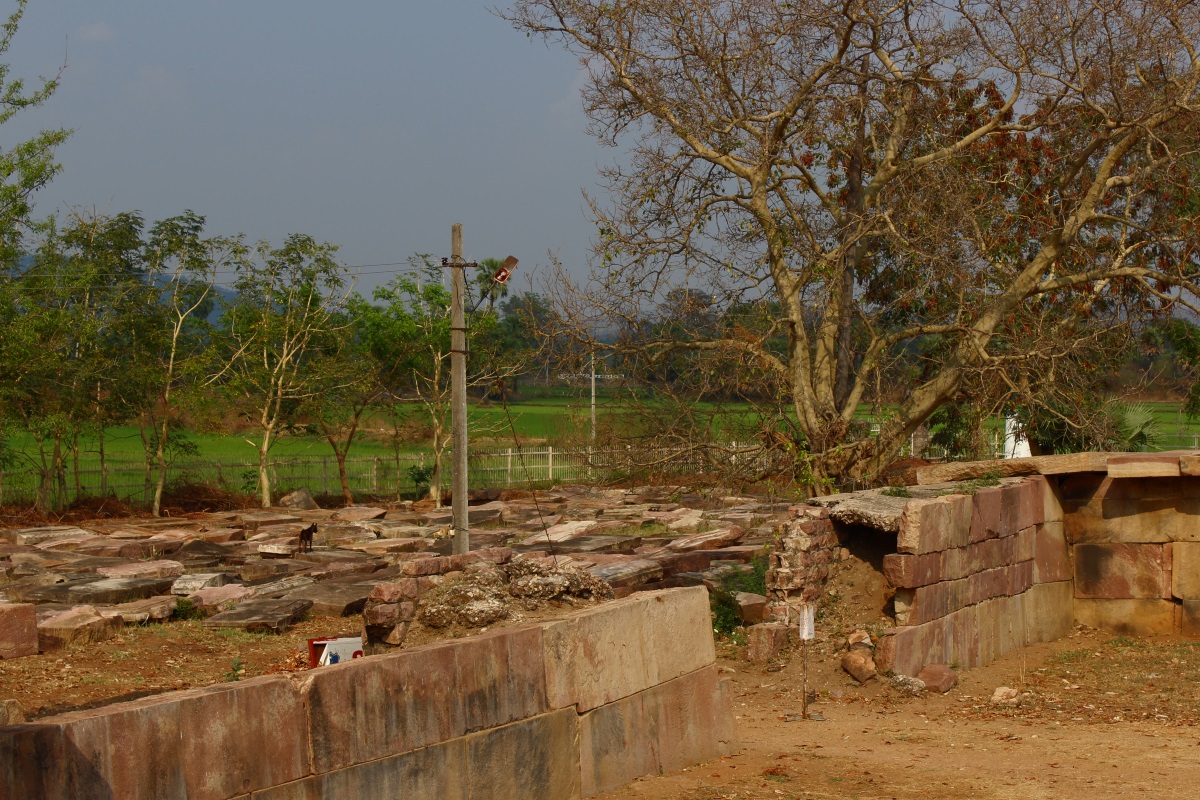
Just outside the temple walls is a stock yard of semi-finished sculptures. Since we were short of time, we did not explore it... wondering what beautiful artworks we might have missed. Also, check out the temple wall design.

Ramappa Lake is about a kilometer from Ramappa temple. At the lake is a state owned tourism lodge.. Haritha Resort. Our plan was to camp there for the night but the place was booked fully. Later we found that it has just 7 double rooms. So, there will be a next time and we'll make sure we have the reservation.

About 10 to 12 kilometers from Ramappa temple is Ghanpur, another historic spot with a lake, fort and ruins of ancient temples. One can easily spend a day sigh seeing the wonders of our ancestors and Nature.

.........